Overview
The focus of paid onboarding is to drive successful adoption and user growth by providing structured pathways that deepen understanding and unlock new opportunities. Through guided onboarding, users progress from learning the basics to refining their efficiency and exploring advanced capabilities, ultimately maximizing their experience with the product. Here are some key paid onboarding journeys that align with Universal Experiences.
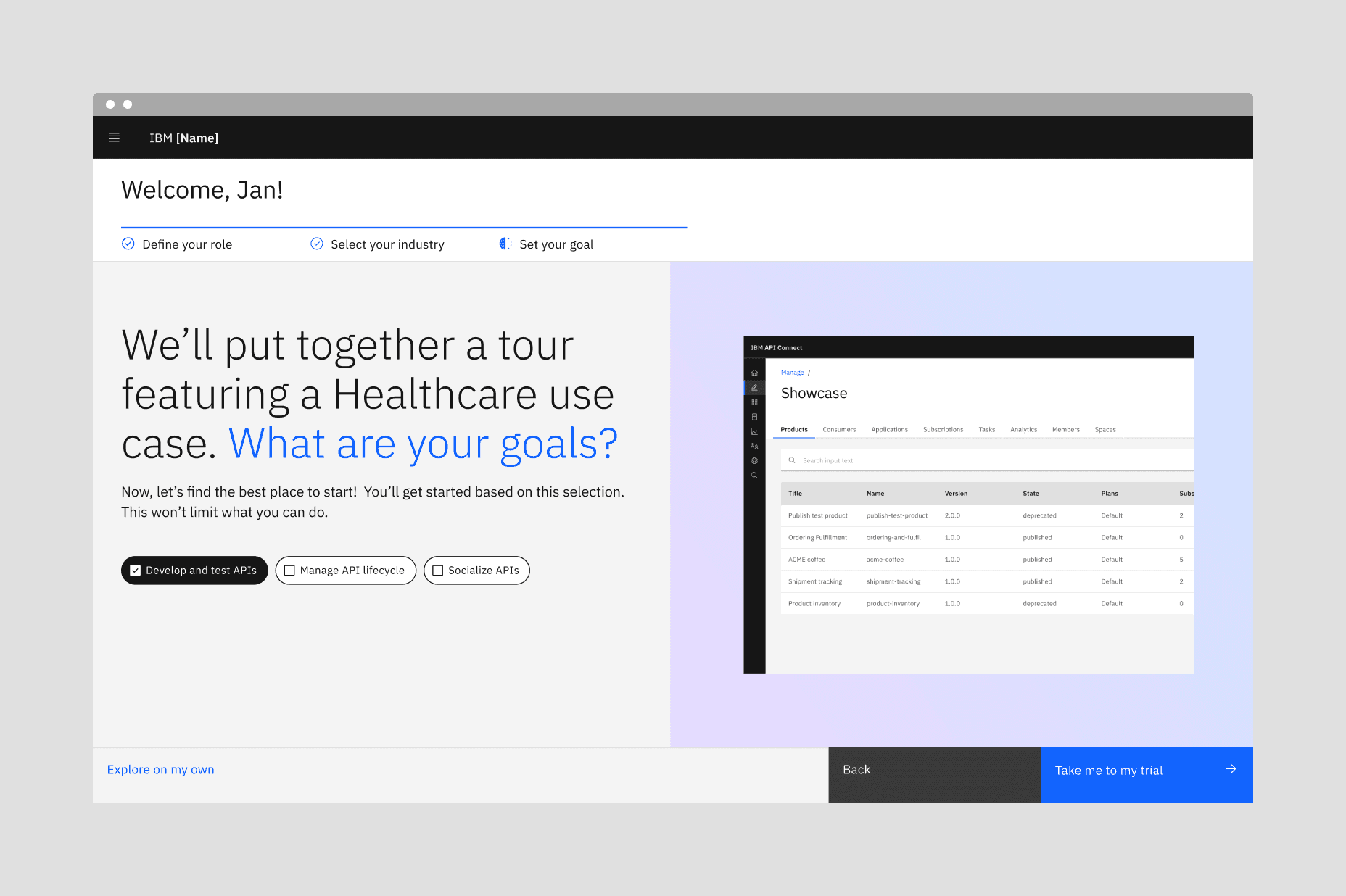
Users are naturally inquisitive when exploring new experiences, seeking instant aha moments to understand what’s possible, and to translate and apply their existing knowledge within a “foreign” ecosystem. Primary onboarding provides clear, structured guidance, helping users quickly orient themselves and reach a memorable moment of value. Its goal is to highlight the product’s core benefits, create a strong first impression, and establish the foundation for long-term engagement and retention.
Building proficiency
Secondary onboarding is crucial for helping users discover untapped features and enhance efficiency as they mature in their usage. By this stage, users have realized core value through primary onboarding and are focused on effectively completing their tasks. This phase enables a strategic rollout of new use cases, improving workflows and driving deeper engagement.
Since users learn progressively, secondary onboarding should be gradual and well-timed to avoid overwhelming them, especially in complex platforms. Start by showcasing a key function tied to their goals, then introduce integrated workflows for efficiency, and finally, highlight shortcuts to optimize speed. Additionally, tracking first-time exposure, activation, and follow-up use ensures adoption and continuous improvement.
New features and enhancements
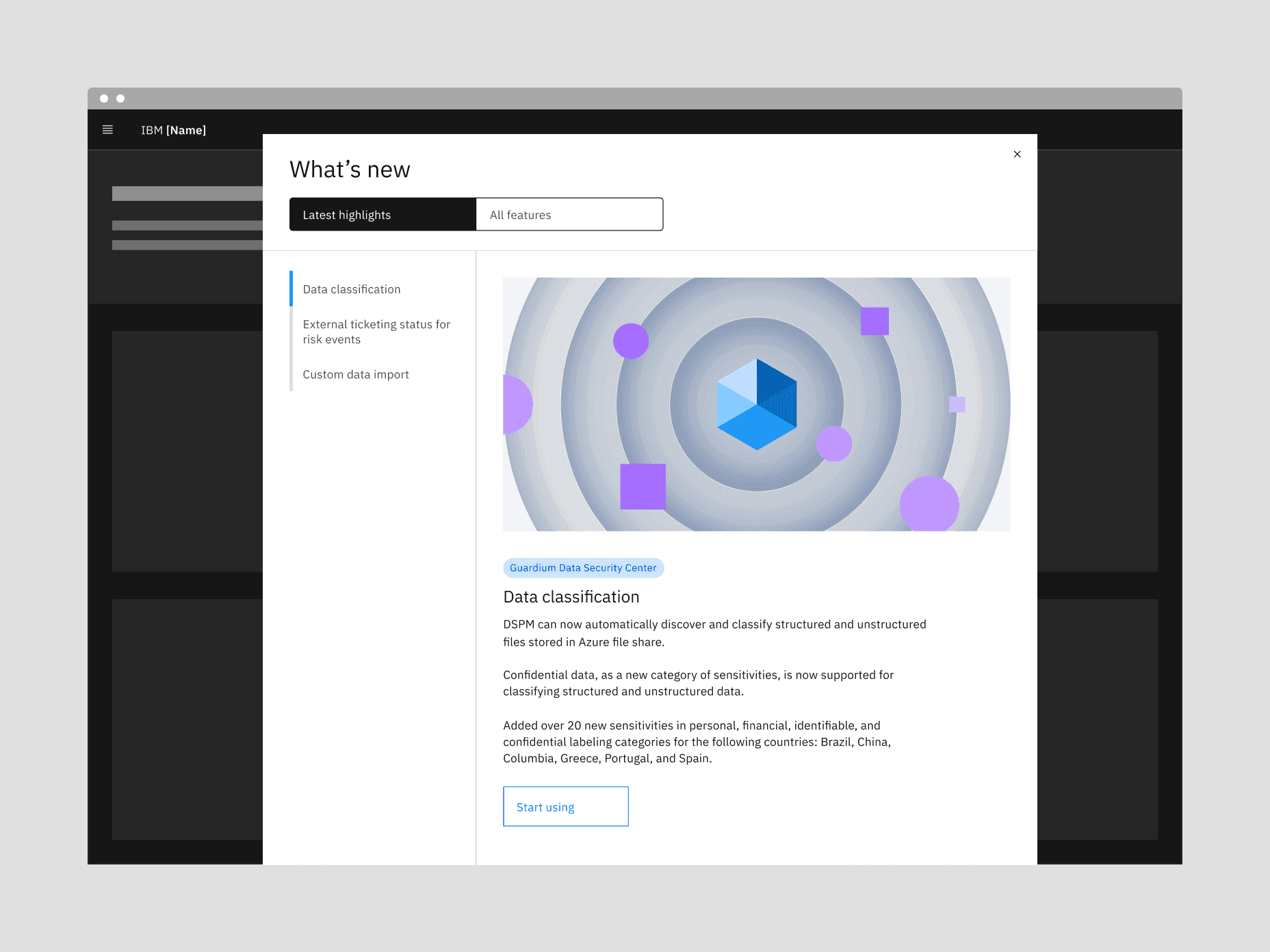
Tertiary onboarding is an ongoing process that serves two key functions: The first key function is to keep users informed about new features and improvements as the product evolves. This process reinforces that the product is dynamic and continuously advancing, helping to maintain user interest while fostering a sense of involvement in its growth and innovation.
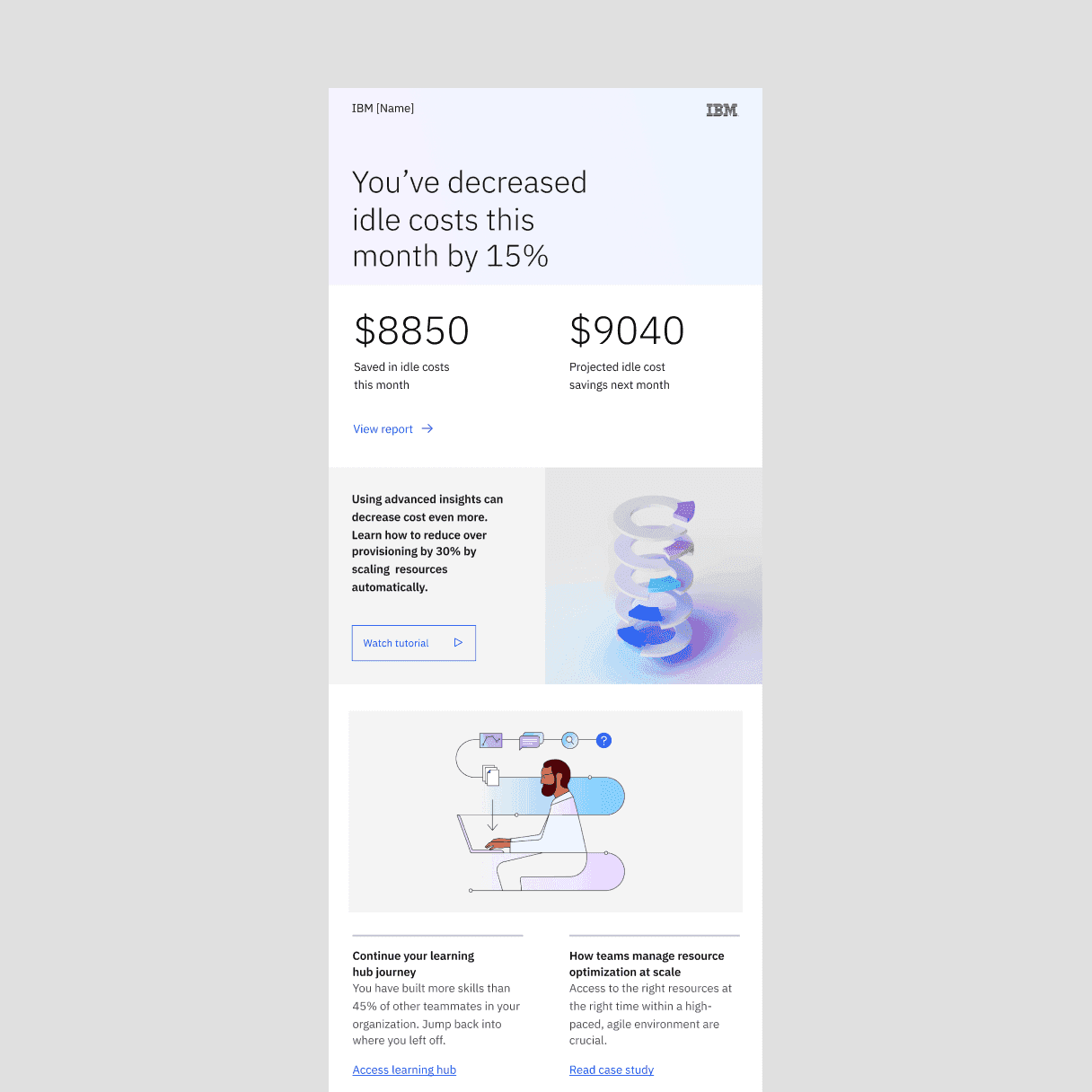
The second key function of tertiary onboarding is to track and respond to adoption milestones, ensuring stronger user retention. This phase reinforces engagement by providing targeted support through complementary channels like email nurturing, while delivering high-value content such as workflow tutorials to enhance user proficiency and long-term success.